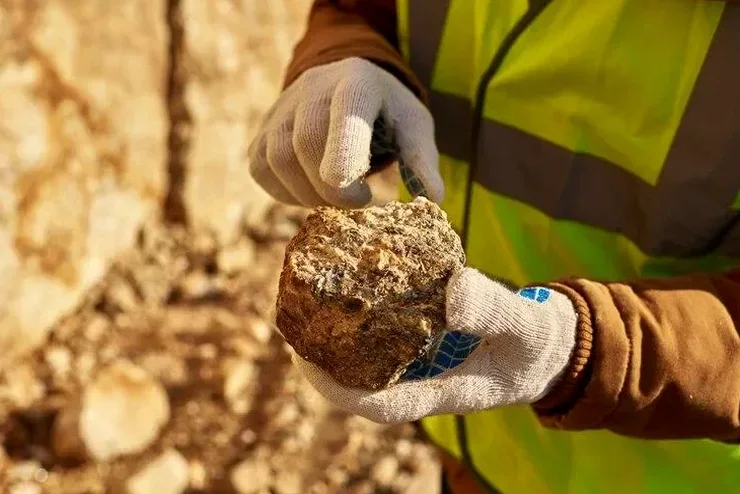
Laboratory testing forms the backbone of geotechnical engineering in Elk Grove, providing critical data that transforms subsurface exploration into actionable design parameters. This category encompasses the full spectrum of soil and rock characterization services, from basic index property determinations to advanced strength and consolidation testing. In a region experiencing rapid residential and commercial growth, reliable laboratory results are not merely a technical requirement but a fundamental safeguard against construction defects, foundation failures, and long-term serviceability issues. Local engineers and contractors depend on these analyses to verify field observations, calibrate design assumptions, and ensure compliance with governing codes.
The geological setting of Elk Grove presents unique challenges that make thorough laboratory investigation indispensable. The city sits within the Sacramento Valley, underlain by Quaternary alluvial deposits from the Cosumnes and Sacramento River systems. These sediments exhibit significant variability, ranging from stiff clays and silts in older basin deposits to loose, potentially liquefiable sands in younger channel and floodplain environments. Seasonal groundwater fluctuations, expansive clay minerals within the Laguna Formation, and the presence of organic-rich paleosols all contribute to a complex geotechnical profile. Without precise laboratory quantification of parameters such as plasticity, gradation, and shear strength, the behavior of these soils under structural loads cannot be predicted with confidence.
All laboratory work performed for projects in Elk Grove must adhere to standards established by ASTM International, Caltrans, and local building codes. The California Building Code (CBC), which incorporates by reference the International Building Code, mandates specific testing protocols for foundation design, seismic site classification, and earthwork quality control. For instance, CBC Section 1803 requires that soil classification be based on material characteristics determined by a qualified testing agency. Additionally, projects within the Sacramento County jurisdiction must satisfy the requirements of the County Improvement Standards, which often stipulate minimum testing frequencies for compaction control and aggregate base materials. A properly executed grain size analysis (sieve + hydrometer) is among the most fundamental of these determinations, directly informing soil classification per ASTM D2487 and influencing permeability estimates, filter design, and liquefaction susceptibility assessments.
The types of projects in Elk Grove that demand comprehensive laboratory support are diverse. Residential subdivisions on expansive clay sites require swell-consolidation testing to design post-tensioned slabs or moisture-conditioned subgrades. Commercial developments in the Laguna Ridge area frequently involve deep foundations or ground improvement, where unconfined compression and direct shear tests validate pile capacities and bearing strata. Public infrastructure projects, including the extension of Whitelock Parkway and upgrades to the Elk Grove Wastewater Treatment Plant, rely on laboratory compaction curves and resilient modulus testing to ensure pavement longevity. Even smaller-scale improvements such as retaining walls and stormwater detention basins benefit from shear strength and permeability data generated through disciplined laboratory programs.
Laboratory testing provides the quantitative soil and rock parameters needed for safe, economical foundation and earthwork design. Elk Grove's variable alluvial geology, including expansive clays and liquefiable sands, demands precise classification and strength data that field observation alone cannot supply. This information directly supports compliance with the California Building Code and local County Improvement Standards, reducing the risk of structural distress or regulatory non-conformance.
Laboratory testing must follow ASTM International standards and meet the requirements of the California Building Code (CBC), specifically Chapter 18 on soils and foundations. Sacramento County Improvement Standards add further stipulations for public works and subdivision infrastructure. Caltrans test methods may apply to transportation projects. All testing should be performed by an accredited agency following a project-specific quality assurance plan.
The scope of laboratory testing is determined by the project geotechnical engineer based on the site investigation findings, proposed construction type, and governing code requirements. A typical program may include index tests like moisture content and Atterberg limits, classification tests, and performance tests such as consolidation or shear strength. The engineer's report will specify the necessary suite to address identified geotechnical hazards and design needs.
Index property tests, such as Atterberg limits and grain size distribution, classify soil and provide indirect indications of engineering behavior without applying significant loads. Performance tests, including direct shear, triaxial compression, and consolidation, directly measure mechanical response under controlled stress conditions. Both categories are essential: index tests for characterization and correlation, performance tests for design parameter derivation.